If your Larchmont home will make its first impression on a phone screen, every detail matters. In a high-value village market where buyers often begin online, polished photos and video can shape how quickly your home captures attention and how strongly it is remembered. The good news is that staging for luxury media does not mean making your home feel artificial. It means helping buyers see the space, the light, and the lifestyle clearly. Let’s dive in.
Why media-ready staging matters in Larchmont
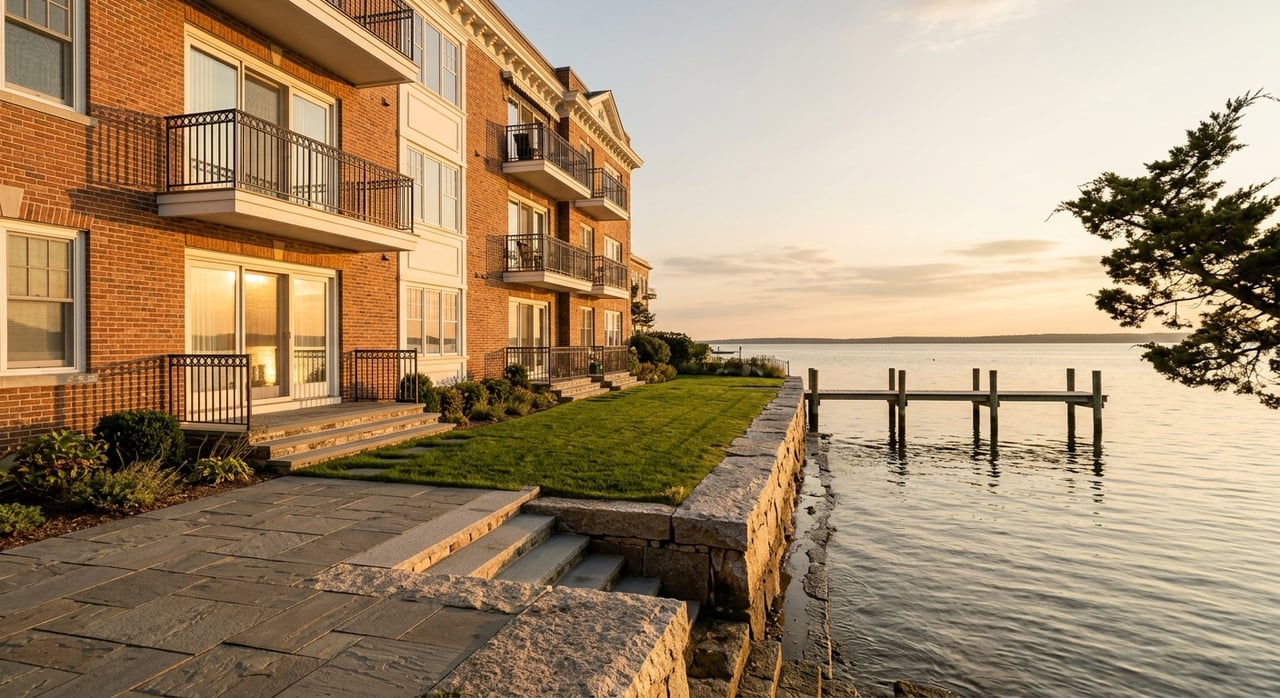
Larchmont is a compact Sound Shore village with a distinct visual identity. From Victorian-era cottages in Larchmont Manor to leafy residential streets, downtown proximity, and Long Island Sound frontage, the setting naturally supports a lifestyle-driven listing story.
That story matters because this is a high-value market. The village budget reports a median owner-occupied home value of $1,217,400 and a 75.3% homeownership rate among 6,630 residents. Zillow also estimated Larchmont’s average home value at $1,719,834 as of May 31, 2026, up 11.4% year over year, with homes going pending in about 11 days.
Westchester market data adds more context. HGAR reported a countywide median single-family sale price of $997,500 in April 2026, with homes selling in an average of 43 days and achieving 104.5% of original list price. Buyers are active, but strong presentation still helps your home stand out and supports premium positioning.
Online behavior reinforces that point. NAR found that 43% of buyers start their search online and 51% find the home they purchase through online searches. Photos, floor plans, and detailed property information are among the features buyers find most useful.
Start with buyer-neutral staging
The goal of staging is simple: help the widest pool of buyers focus on your home, not your stuff. Zillow defines staging as preparing a home to appeal broadly, which can include decluttering, painting, repairs, deep cleaning, and furniture or decor adjustments.
For luxury photos and video, buyer-neutral does not mean bland. It means curated, calm, and easy to read on screen. You want each room to feel finished, but not crowded.
This is especially important in Larchmont, where architecture and setting often do a lot of the selling. If your home has original details, gracious proportions, garden views, or a strong indoor-outdoor connection, staging should support those features rather than compete with them.
Focus on the rooms buyers notice most
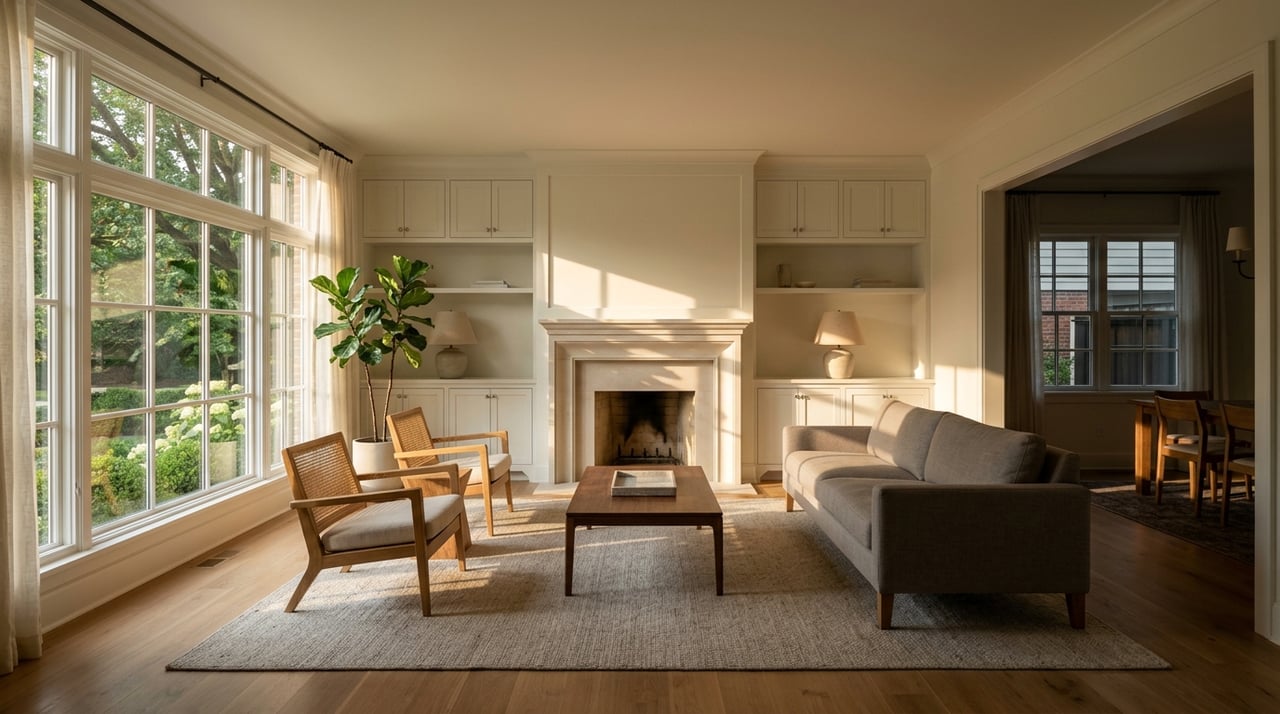
If you are deciding where to spend time and budget first, start with the rooms that matter most in listing media. NAR’s 2025 staging report says buyers’ agents view the living room, primary bedroom, and kitchen as the most important spaces to stage.
Those rooms usually set the tone for the entire property. If they feel bright, spacious, and cohesive, buyers are more likely to view the rest of the home favorably. Bathrooms, outdoor areas, and home office spaces also deserve attention, especially because clutter and dated surfaces tend to stand out in photos.
A smart staging priority list often looks like this:
- Living room
- Kitchen
- Primary bedroom
- Front entry and exterior approach
- Bathrooms
- Patio, deck, yard, or garden areas
- Home office or flex room
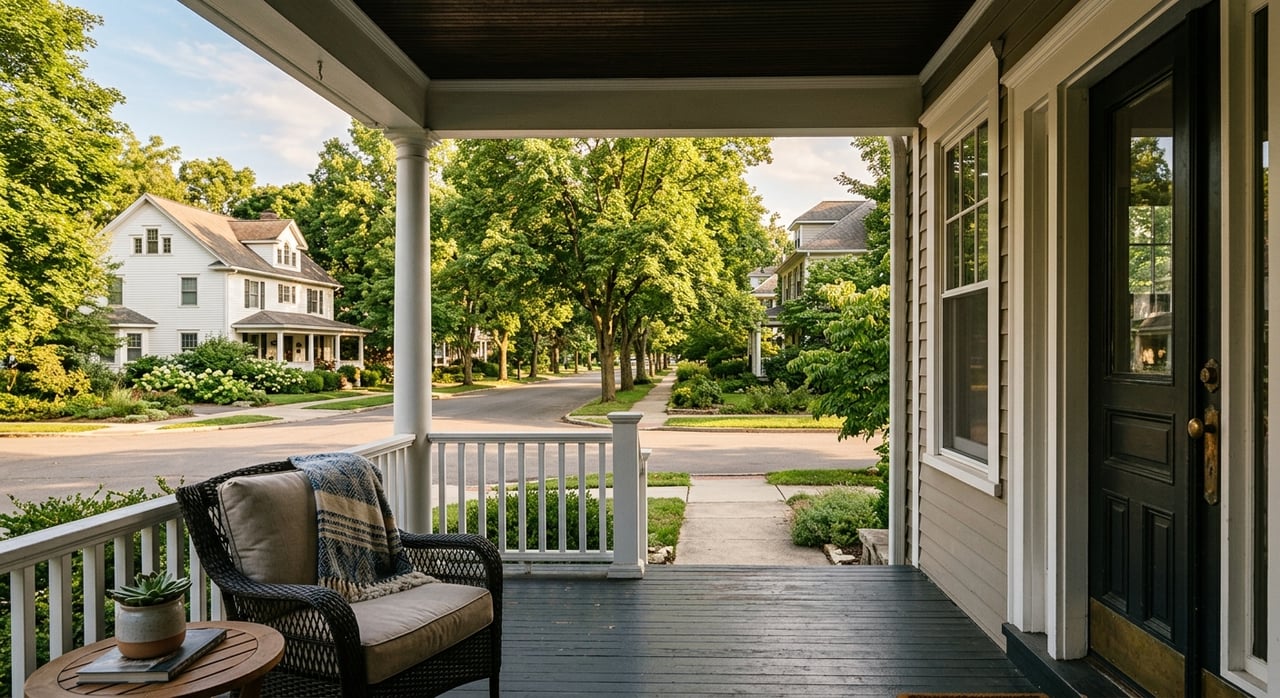
If your home has a special feature, make that part of the plan too. In Larchmont, that could mean a porch, a water-facing terrace, a manicured backyard, or a room with especially beautiful natural light.
Edit furniture for scale and flow
One of the most common staging mistakes is trying to show too much furniture. For luxury photos and video, less is often more.
Your rooms should show clear pathways, balanced scale, and open sightlines. Buyers often first experience a home through a small screen, a video walkthrough, or a 3D tour, so heavy furniture and visual clutter can make rooms look tighter than they feel in person.
Try to create a layout that lets the camera move naturally. That may mean removing an accent chair, simplifying side tables, or re-centering a rug so the room feels grounded. The result should feel elevated and comfortable, not empty.
Prepare surfaces that read well on camera
Cameras notice everything. A countertop with small appliances, a bathroom vanity covered in products, or a busy refrigerator can pull attention away from the room itself.
Before photo day, clear surfaces as much as possible. Keep only a few intentional accents, such as a bowl, a stack of books, fresh flowers, or a simple tray. Zillow also recommends minimizing seasonal decor and using small color accents thoughtfully.
Deep cleaning matters just as much as styling. Glass, mirrors, faucets, stone surfaces, and hardwood floors all photograph better when they are spotless. In video, especially, dust, streaks, and smudges can make a home feel less cared for.
Use light to your advantage
Lighting can change the entire feel of your listing media. Zillow recommends opening blinds, turning on lights, and removing window screens when possible to improve how spaces photograph.
Natural light is especially valuable in Larchmont homes, where mature trees, garden outlooks, and changing seasonal light can add warmth and character. Your goal is to make rooms look bright and balanced without losing the view.
A few simple steps can help:
- Open all blinds and curtains unless a window frame or view looks better partially softened
- Replace burned-out bulbs
- Use bulbs with a consistent color tone throughout the home
- Turn on lamps and overhead fixtures for added warmth
- Clean windows thoroughly
If a room tends to be dark, staging should compensate with lighter textiles, fewer heavy accessories, and a simpler furniture arrangement.
Do not overlook curb appeal
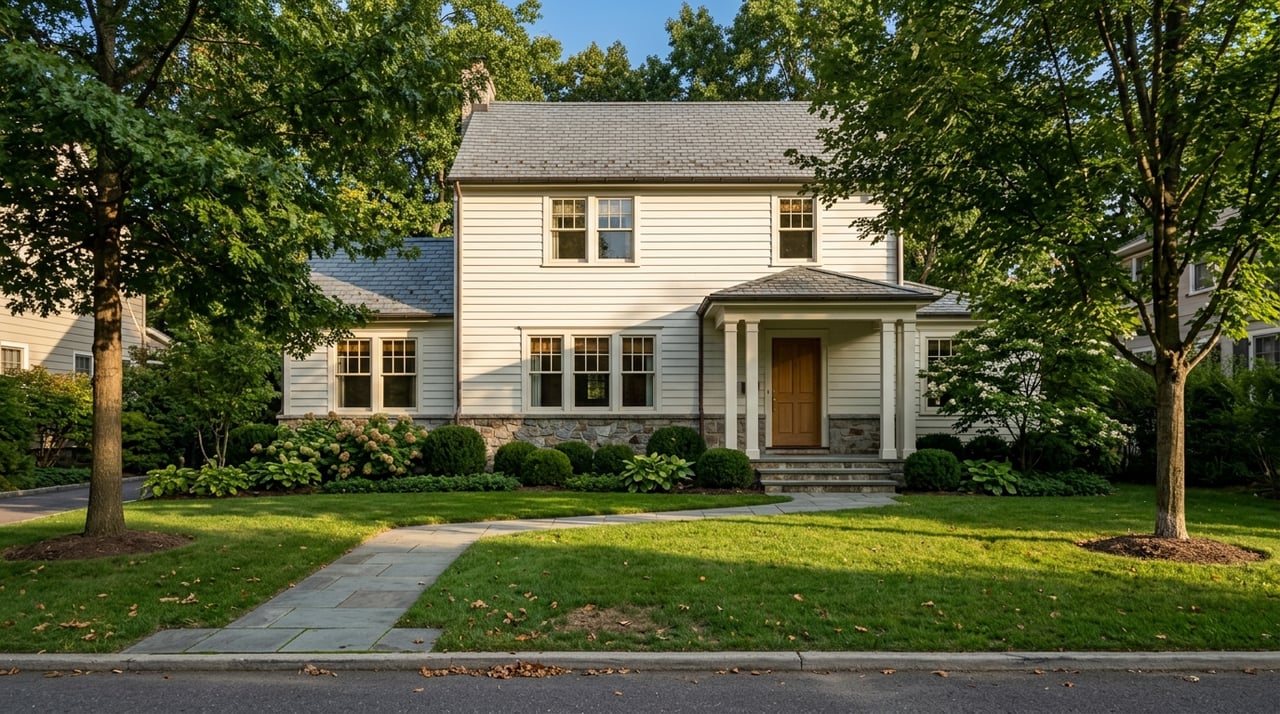
Luxury media starts before the front door opens. Buyers form impressions from the first exterior image, the driveway approach, and the opening seconds of video.
NAR’s 2025 staging report includes outdoor and yard space among important staged areas. In Larchmont, exterior presentation can carry even more weight because gardens, porches, patios, decks, and landscape views often contribute strongly to value perception.
Small updates can make a meaningful difference on camera. Zillow highlights improvements such as repainting the front door or upgrading a garage door as examples that can strengthen listing appeal. For homes with older architectural character, crisp maintenance usually matters more than trendy changes.
Before your shoot, focus on these exterior basics:
- Sweep walkways and porches
- Trim plantings away from doors and windows
- Remove hoses, bins, toys, and loose tools
- Refresh mulch or tidy planting beds if needed
- Clean outdoor furniture
- Add a restrained pop of color with planters or seasonal flowers
Plan for photos, video, and 3D together
Your home should be staged for the full media package, not just still photography. NAR’s 2025 staging report says buyers’ agents rate photos, physical staging, video, and virtual tours as much more or more important to clients.
Each format highlights something different. Photos capture key moments. Video creates emotion and flow. A 3D tour helps buyers understand layout and room relationships.
That means your staging needs to work from multiple angles. A room that looks fine from one still-photo viewpoint may feel awkward in a walkthrough video. This is where coordinated planning matters.
How many photos should you have?
More is not always better, but too few can hurt your listing. Zillow says 22 to 27 photos is the ideal range and notes that listings with fewer than nine photos are about 20% less likely to sell within 60 days.
In a luxury market like Larchmont, the right number depends on the property, but quality should come first. You want enough images to tell a complete story without repeating similar views.
A strong photo set usually includes:
- Front exterior
- Main living spaces
- Kitchen and dining areas
- Primary bedroom
- Bathrooms
- Office or bonus space, if relevant
- Outdoor entertaining areas
- Garden, terrace, or view shots where applicable
Should occupied homes be fully staged?
Not always. If you are living in the home while selling, partial staging is often the most practical solution.
The research supports that occupied homes benefit from decluttering, rearranging furniture, and refining decor rather than starting from scratch. In many cases, a well-edited lived-in home can look polished and inviting once the layout, styling, and surfaces are prepared properly.
The key is objectivity. You may need to pack away personal collections, excess seating, family photos, and everyday items so buyers can focus on the home itself.
What about vacant homes?
Vacant homes can feel cold in photos and harder to understand online. Zillow notes that virtual staging can be used for empty homes, which can help buyers picture scale and function.
That said, the best approach depends on the property and marketing plan. Some homes benefit from physical staging in key rooms, while others can be presented effectively with a mix of clean vacant photography and carefully executed virtual staging.
What matters most is clarity. Buyers should immediately understand how the main rooms live and connect.
A concierge approach makes the process easier
Luxury staging is not just about decor. It is a project that includes timing, budgeting, repairs, cleaning, vendor coordination, photography prep, and launch management.
NAR reports that staging can make it easier for buyers to visualize a home. The same report also found that some buyers’ agents saw staged homes generate offers 1% to 5% higher than similar unstaged homes, while some sellers’ agents reported slight reductions in time on market. In 2025, sellers’ agents reported a median staging service spend of $1,500.
That is why a concierge-style listing strategy can be so valuable. Instead of trying to manage every moving part yourself, you can work with an agent who coordinates staging, photography, 3D tours, cinematic video, and pre-launch details as one cohesive presentation plan.
Final thoughts on staging for luxury media
In Larchmont, presentation is part of pricing strategy. When buyers are browsing quickly and comparing polished listings online, your home needs to feel clear, cared for, and compelling from the very first image.
The best staging does not mask a home’s character. It reveals it. With the right edits, lighting, and media planning, your listing can highlight what makes your property special, from architectural details to outdoor living to the village lifestyle buyers are searching for.
If you are preparing to sell in Larchmont and want a thoughtful, white-glove plan for staging, photography, 3D tours, and video, connect with Martha Rubio to schedule a complimentary consultation.
FAQs
What rooms should you stage first in a Larchmont home sale?
- Start with the living room, primary bedroom, kitchen, and exterior approach, then move to bathrooms, outdoor spaces, and any home office or flex area.
How many listing photos should a Larchmont luxury home have?
- Zillow recommends about 22 to 27 photos, with an emphasis on professional quality and a complete visual story rather than sheer quantity.
Is partial staging enough for an occupied Larchmont home?
- Yes. Occupied homes often benefit from decluttering, furniture editing, decor simplification, and deep cleaning rather than full replacement staging.
Should a vacant Larchmont home use virtual staging?
- It can. Virtual staging is a practical option for vacant homes when it helps buyers understand room scale, layout, and function.
Why do video and 3D tours matter for Larchmont listings?
- Buyers often begin online, and video plus 3D tours help them understand flow, layout, and lifestyle in a way photos alone may not fully capture.