If you want to maximize your sale in Larchmont, timing and preparation matter more than many sellers realize. In a market where homes can move quickly, your first days on the market often shape the entire outcome. The good news is that with the right plan, you can reduce stress, stay organized, and launch with confidence. Let’s walk through a practical listing timeline and prep checklist for selling your Larchmont home.
Why launch prep matters in Larchmont
Larchmont is part of a higher-priced Westchester market where presentation, pricing, and timing can have a real impact on your result. As of February 2026, Zillow reported Westchester County’s average home value at $831,958, while Realtor.com’s Larchmont market data showed a median home sale price near $1.45 million, median days on market of 25, and a sale-to-list ratio of 103%.
Those numbers suggest a simple truth: buyers are active, but they are also quick to compare options. If your home is clean, well-prepared, properly priced, and ready for strong media exposure from day one, you put yourself in a stronger position.
Your ideal seller timeline
A practical selling timeline usually starts 4 to 6 weeks before listing. Then you should expect the final 1 to 2 weeks before launch to focus on photography, final touch-ups, and show-ready details. After you accept an offer, the closing process often takes about 30 to 45 days, according to Freddie Mac’s closing timeline overview.
Here is a simple way to think about the process:
- 4 to 6 weeks before listing: pricing, repairs, decluttering, disclosures, and planning
- 1 to 2 weeks before listing: staging, cleaning, photography, video, and final listing prep
- After accepting an offer: inspection, appraisal, underwriting, attorney coordination, and closing preparation
What to do 4 to 6 weeks before listing
This is the planning stage, and it sets the tone for everything that follows. If you wait too long to address repairs, paperwork, or pricing, the launch can feel rushed.
Set pricing before photos
Your pricing strategy should be clear before your home is photographed and marketed. In a market where Larchmont homes are averaging about 25 days on market, the first launch window matters. A strong start can create momentum, while a hesitant or mismatched launch can lead to extra days on market and tougher negotiations.
Declutter and fix obvious issues
Before buyers ever visit, they notice condition, space, and maintenance. The National Association of Realtors 2025 staging survey found that 83% of buyers’ agents said staging made it easier for buyers to visualize a property, and 49% of sellers’ agents said staging reduced time on market.
If you are not doing full staging, decluttering and correcting visible faults are still smart steps. Focus on anything that makes the home feel less cared for, such as chipped paint, loose hardware, worn caulk, or burned-out bulbs.
Start disclosures early
In New York, the Property Condition Disclosure Statement became required beginning July 1, 2025 for most 1 to 4 family residential sales. The form must be delivered to the buyer or the buyer’s agent before the buyer signs a binding contract.
Starting early gives you time to review your actual knowledge of the property carefully. That includes items related to the roof, water, structural conditions, mechanical systems, flood history, and title-related issues.
Organize documents in one place
It helps to gather key property records before your listing goes live. Buyers may ask for permits, warranties, repair receipts, service records, or prior inspection paperwork during negotiations.
Because New York’s disclosure guidance encourages buyers to review public records and obtain independent inspections, organized paperwork can help your transaction move more smoothly.
Check lead-paint rules if applicable
If your home was built before 1978, federal law requires lead-based paint disclosure. That includes disclosing known information, providing the EPA/HUD pamphlet, and allowing a 10-day inspection or risk-assessment period.
For many older homes in Larchmont, this is an important part of the prep process. It is best handled early, not at the last minute.
What to do 1 to 2 weeks before listing
This is when your home shifts from “getting ready” to “market ready.” The goal is to make every room, every photo, and every showing count.
Prioritize the rooms buyers notice most
If you use staging, focus first on the rooms that tend to have the most impact. According to the NAR survey, the most commonly staged rooms are the living room, primary bedroom, dining room, and kitchen. Buyers’ agents also identified the living room as especially important.
That does not mean every room needs a major investment. It means the spaces that shape first impressions should feel open, bright, and easy to understand.
Schedule professional media
Professional photography is essential, not optional. NAR reported that buyers’ agents rated photos highly important, and they also placed significant value on videos and virtual tours.
For a Larchmont listing, this is especially relevant when you want to reach local buyers, relocating households, and out-of-area interest. Strong visuals help your home stand out online before a buyer ever schedules a showing.
Finish cleaning and curb appeal
Deep cleaning should happen after most repair and decluttering work is done. Windows, floors, kitchens, baths, and entry points deserve extra attention because they are easy for buyers to notice.
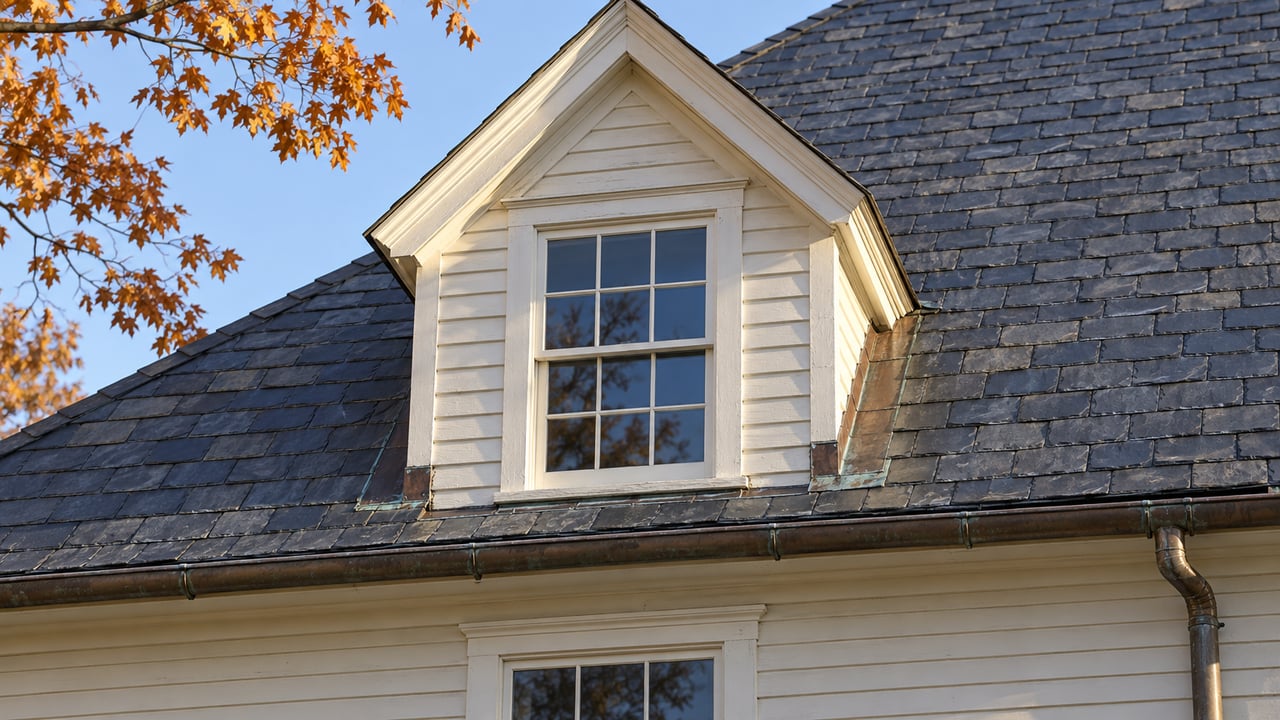
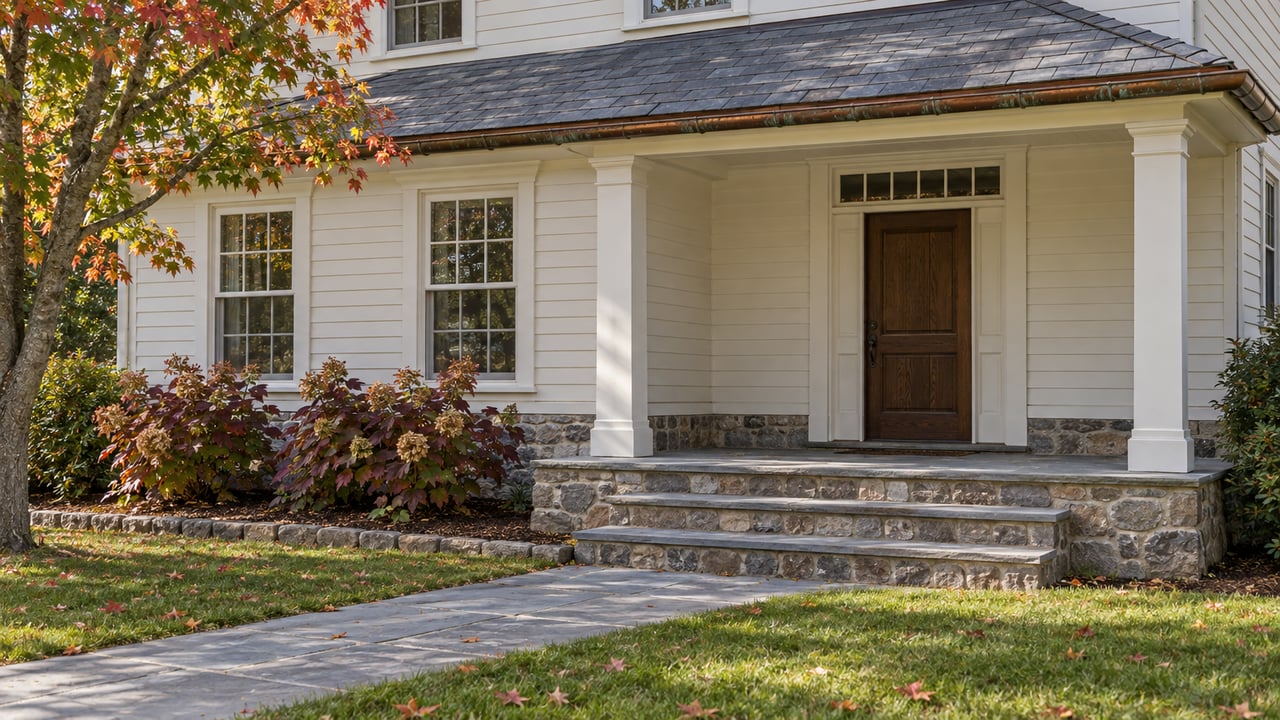
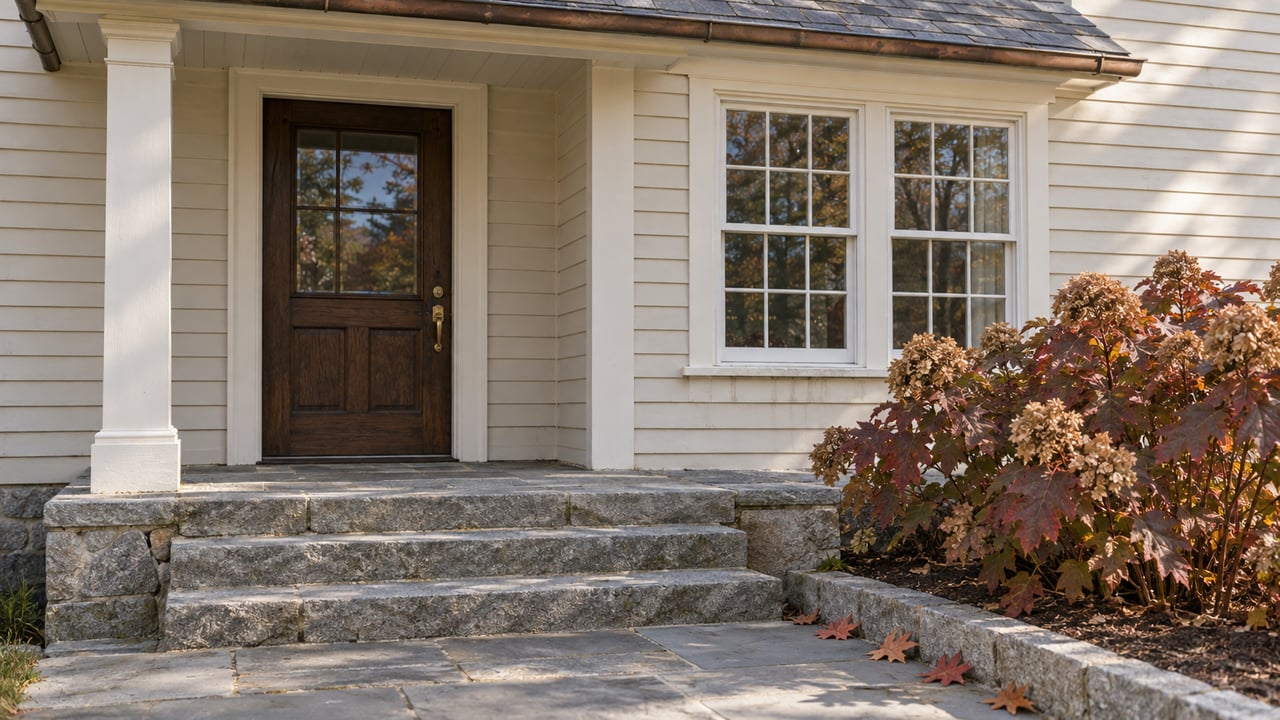
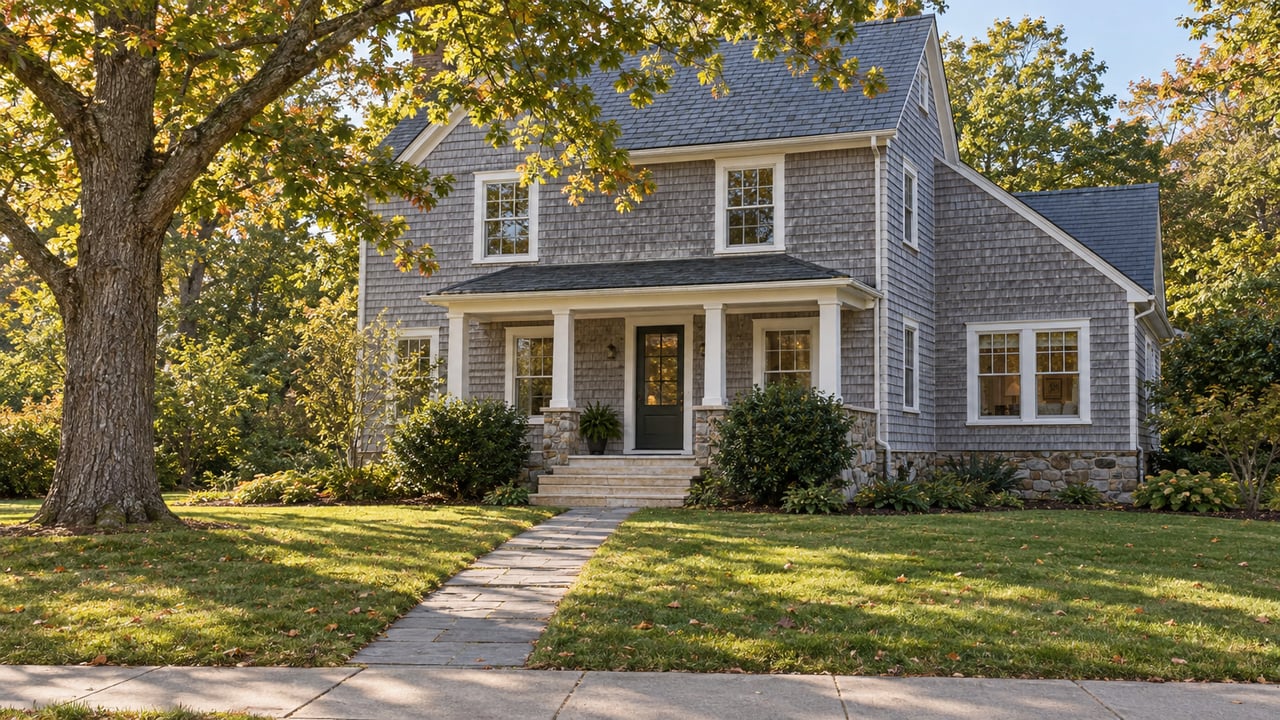
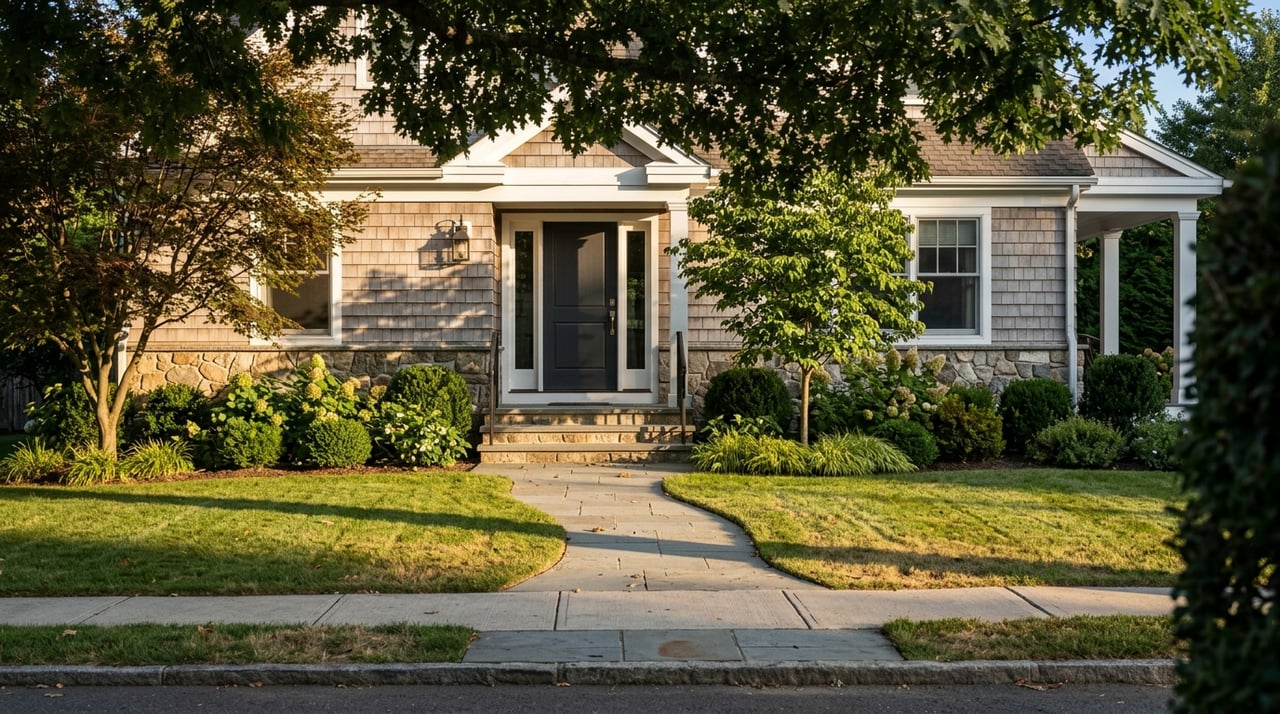
Outside, focus on simple curb appeal improvements. Clean walkways, trim landscaping, clear porches, and make sure exterior lighting and the front entry feel inviting.
Set showing instructions
Before the home is active, decide how showings will work. That includes response times, access instructions, pet arrangements, and how feedback will be collected.
This matters because the first two weeks are often the most important for buyer traffic. With Larchmont homes moving in about 25 days on average, you want your home to stay photo-ready and easy to show right from the start.
A practical prep checklist
Here is a streamlined checklist you can use as your launch approaches.
Pre-listing checklist
- Review comparable sales and finalize pricing strategy
- Complete decluttering and depersonalizing
- Make small repairs and correct visible property faults
- Complete the New York Property Condition Disclosure Statement
- Confirm whether lead-based paint disclosure applies
- Gather permits, warranties, receipts, and service records
- Decide whether staging will be full, partial, or minimal
- Schedule photography and, if appropriate, video or virtual tour
- Deep clean the home inside and out
- Refresh curb appeal and exterior entry points
- Set showing instructions and readiness standards
What happens after you accept an offer
Many sellers feel like the hard part is over once an offer is signed. In reality, the contract-to-closing period still requires attention, flexibility, and coordination.
Expect contingencies and due diligence
After acceptance, the buyer may move through inspection, appraisal, underwriting, and contingency deadlines. As Freddie Mac explains, inspection, appraisal, mortgage, and home-sale contingencies can all affect timing and risk.
That means you should be prepared for repair requests, follow-up questions, or changes to the timeline. Organized records and a well-maintained home can help reduce friction here.
Plan around closing milestones
Freddie Mac notes that buyers usually receive the Closing Disclosure three business days before closing, and the final walkthrough is often done about 24 hours before closing. Those are useful scheduling anchors as you plan your move, utility transfers, and any final work.
It is also wise to review closing documents early rather than waiting for the appointment itself. A proactive review gives time to resolve questions before settlement day.
Know a few New York closing basics
In New York, the deed and Form RP-5217 are filed through the county clerk. According to the New York State tax guidance, real estate transfer tax is generally due no later than 15 days after the deed is delivered.
The base transfer tax is generally the seller’s responsibility unless the contract states otherwise. For residential sales of $1 million or more, the 1% mansion tax is generally imposed on the buyer unless an exemption applies.
Common mistakes to avoid
Even in a strong market, avoidable issues can reduce leverage. Most of them come down to waiting too long or going live before the home is truly ready.
Rushing the launch
If photos are taken before repairs, decluttering, or cleaning are complete, your listing may miss the strongest first impression. In a fast-moving market, you may not get that moment back.
Leaving paperwork for later
Disclosures and property records should not be afterthoughts. Delays here can create stress during negotiations and slow down attorney review.
Ignoring the first two weeks
Your early showing period matters. Keep the home clean, bright, and ready for short-notice visits so you can capture the most serious buyer interest when attention is highest.
A smoother sale starts with the right plan
Selling a Larchmont home is not just about putting a sign in the yard. It is about launching with a thoughtful timeline, complete documentation, strong presentation, and a clear path from listing to closing. When each piece is handled in advance, you give yourself a better chance at a smoother process and a stronger result.
If you want a tailored plan for your home, from pre-listing prep through marketing and negotiation, Martha Rubio can help you coordinate every step with a polished, hands-on approach.
FAQs
How early should you start preparing to sell a Larchmont home?
- A practical baseline is 4 to 6 weeks before listing, with more time if your home needs repairs, paperwork review, or additional prep.
Does every Larchmont home need full staging before listing?
- No. Full staging is not always necessary, but decluttering, cleaning, and correcting obvious faults are widely recommended, and staging can help buyers visualize the home.
How long does closing usually take after accepting an offer in New York?
- A typical closing period is about 30 to 45 days after offer acceptance, though contingencies and lender timelines can affect that schedule.
What disclosures matter when selling an older Larchmont home?
- Older homes may require both the New York Property Condition Disclosure Statement and, if built before 1978, federal lead-based paint disclosure.
What should sellers organize before listing a Larchmont property?
- It is helpful to gather permits, warranties, repair receipts, service records, and any inspection-related paperwork before the home goes live.