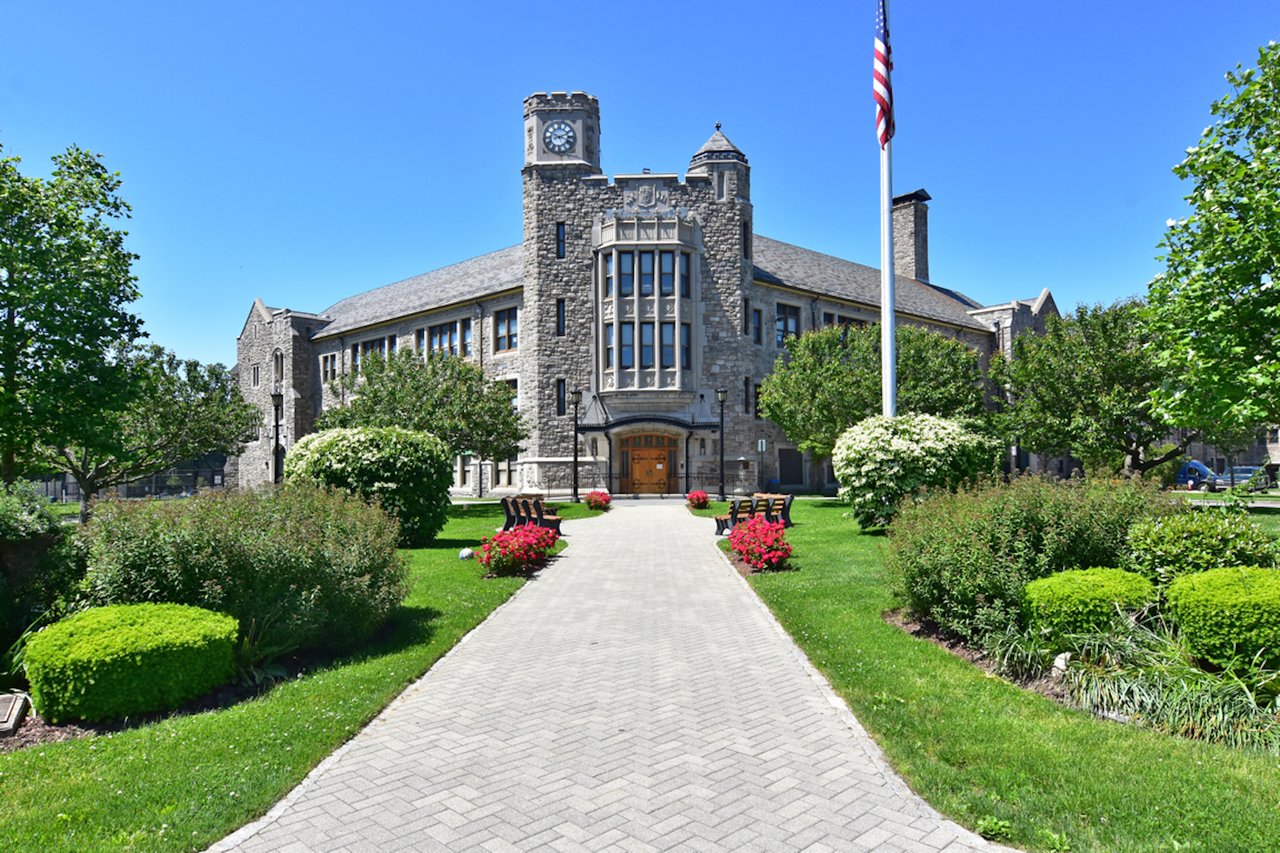
Can you picture leaving your home, grabbing a coffee on Wolfs Lane or Shea Station, and being in Manhattan in under 40 minutes? If you want a true village feel, a short NYC commute, and tree-lined streets filled with historic homes, Pelham offers one of the most walkable lifestyles in Westchester County.
Pelham
Oldest Town in Westchester County
Home to 12,500 residents, Pelham is notably small, but big in culture and history. It has a relaxed vibe, whether you’re strolling down Wolfs Lane Park, stopping for a bite to eat downtown, or enjoying entertainment at the historic Pelham Picture House.
The lifestyle:
Friendly faces and lots to do.
Pelham is largely residential, and with homes nestled on streets lined with trees and sidewalks, it's common to stop and chat with a neighbor on your walk to school or out with the dog.
You'll fall in love with:
The historic architecture, natural beauty and easy commute.
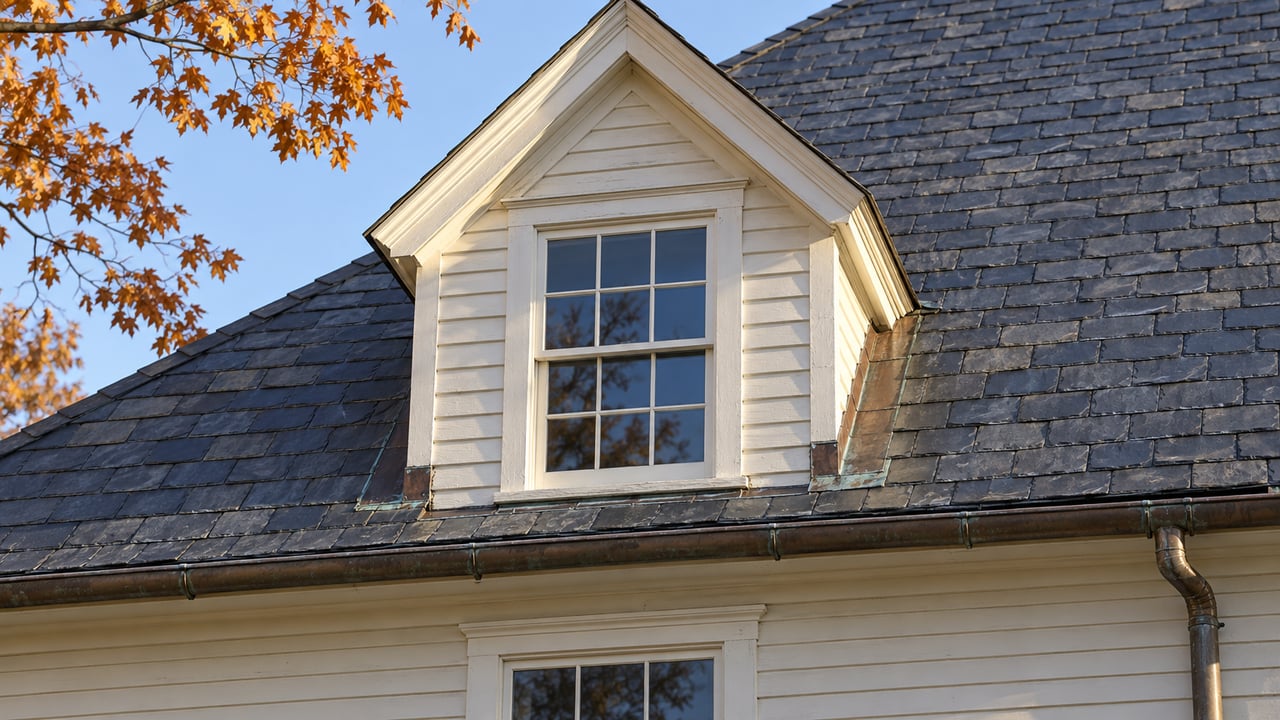
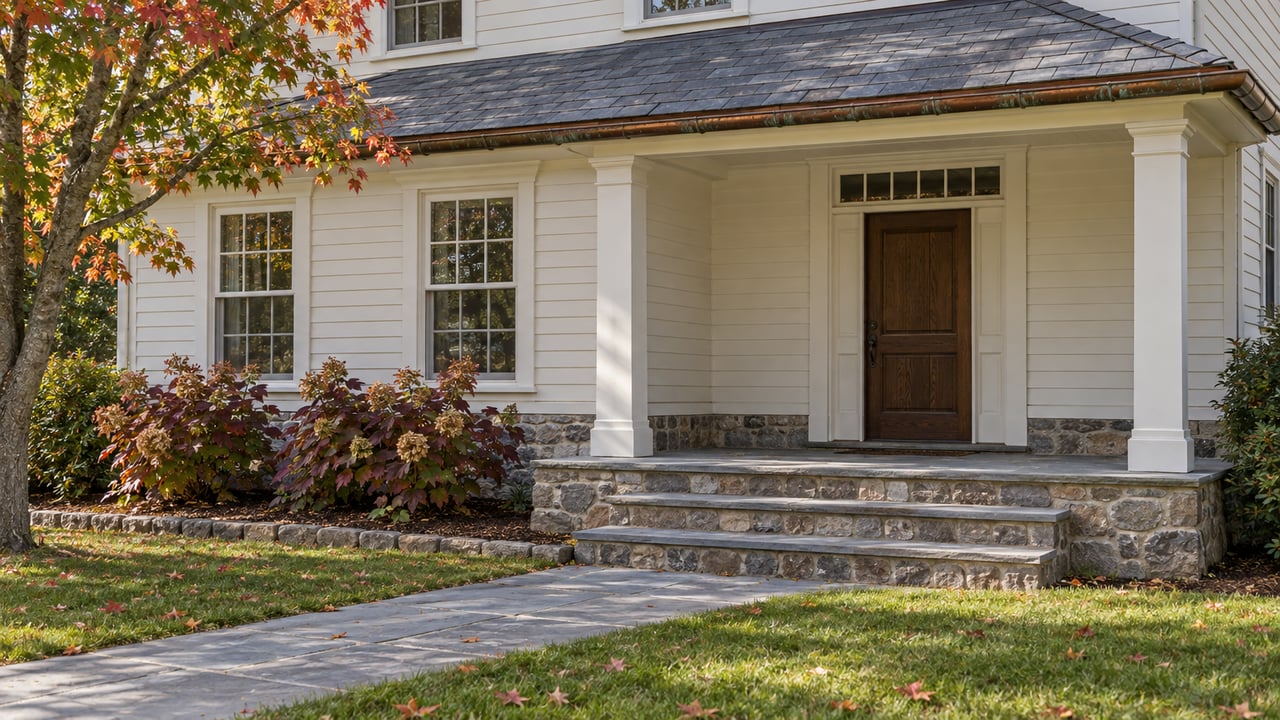
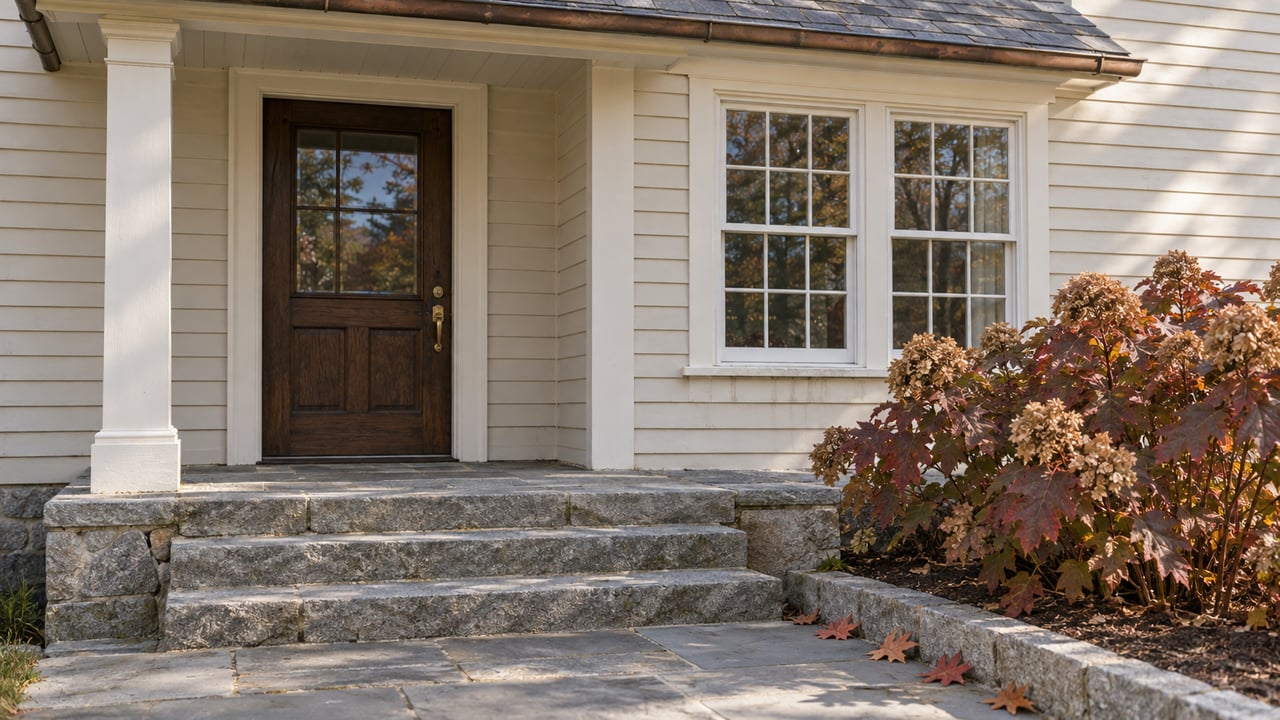
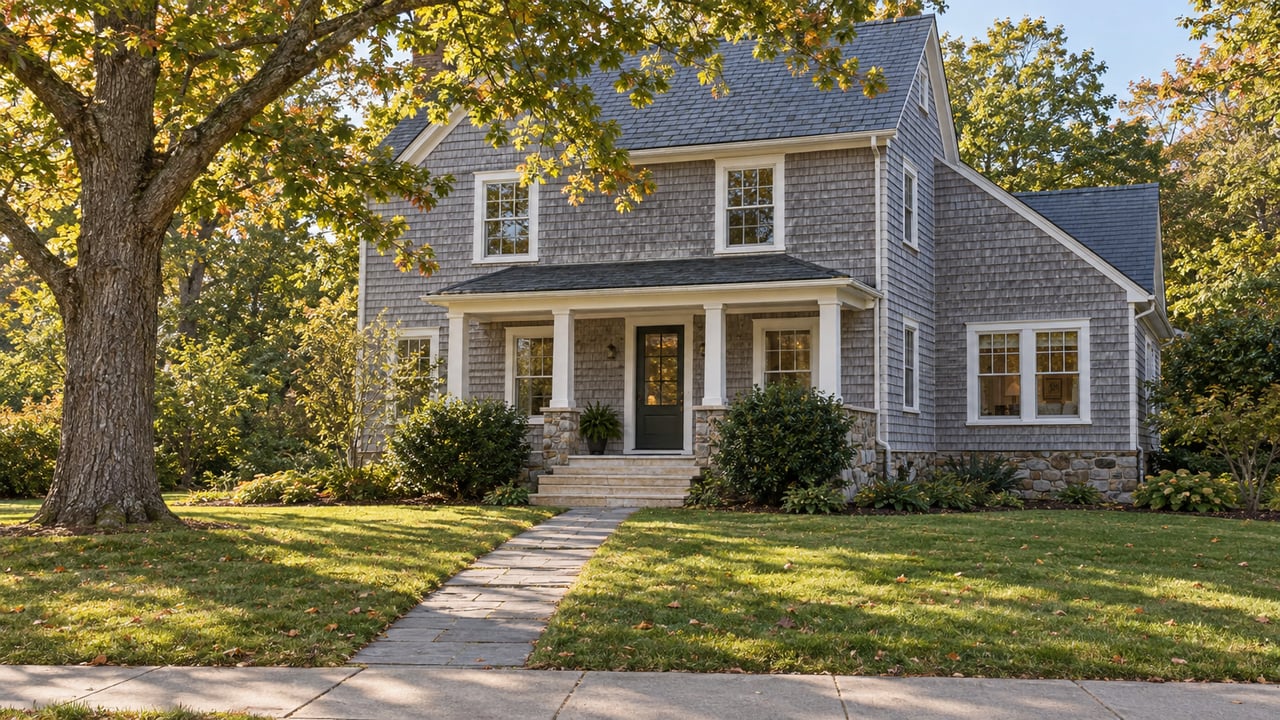
Walking down the tree-lined streets, you’ll find beautiful homes around every corner. You’ll also find walking trails and parks throughout the town. Residents enjoy unparalleled convenience; it’s just 30 minutes by train to Grand Central and less than 30 minutes by car to multiple international airports.
Where Pelham Village Is and Why NYC Buyers Love It
Pelham sits along the Sound Shore in southern Westchester, just north of the Bronx border.
Commuters use the Metro-North Railroad New Haven Line from Pelham
Buyer Questions Before Purchasing in Pelham
How long is my door-to-door commute?
Which school boundary is this home in?
What are the true yearly costs beyond the mortgage?
Are there zoning limits for renovations?
What are parking rules on this street?
One-Day Scouting Plan
Morning – Test commute, walk Wolfs Lane (Downtown Pelhan)
Midday – Tour neighborhoods and parks
Afternoon – Visit schools and services
Evening – Return commute timing, dinner locally
FAQs About Living in Pelham Village
Is Pelham walkable from the train? Yes, very.
How long is the commute to Manhattan? Under 40 minutes on Metro-North.
What homes are common? Early 1900s Colonials, Tudors, Victorians.