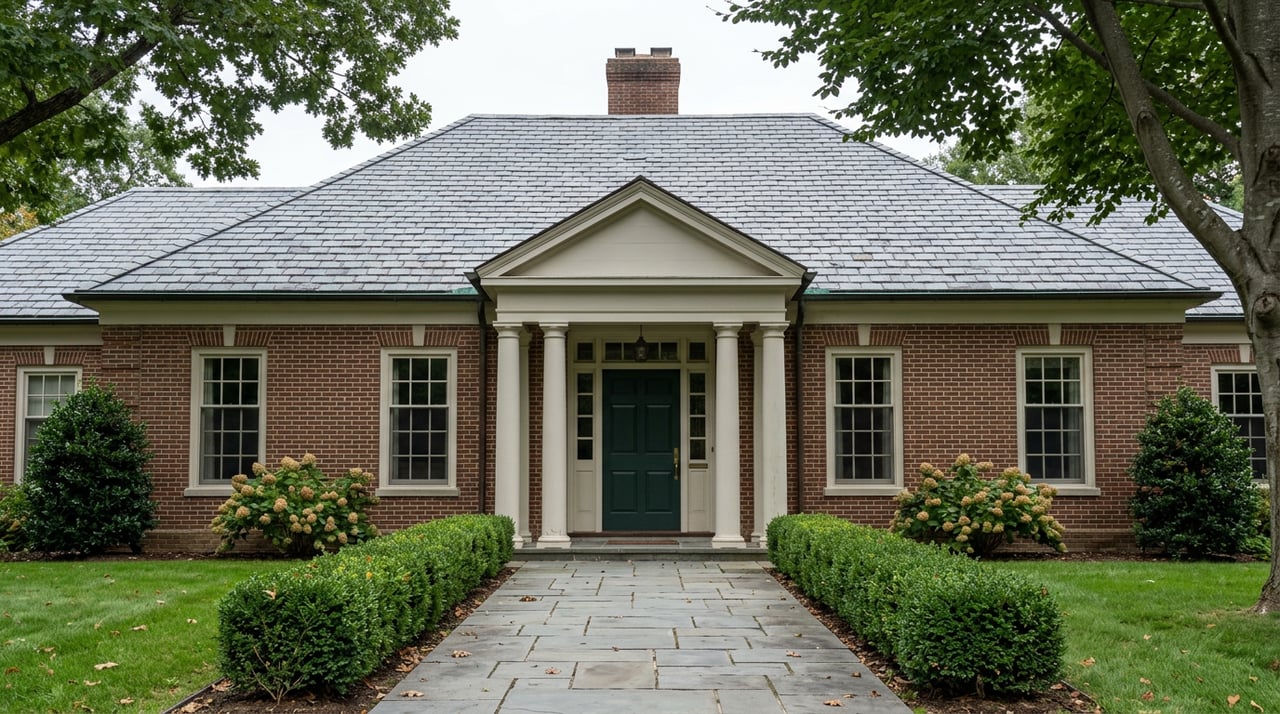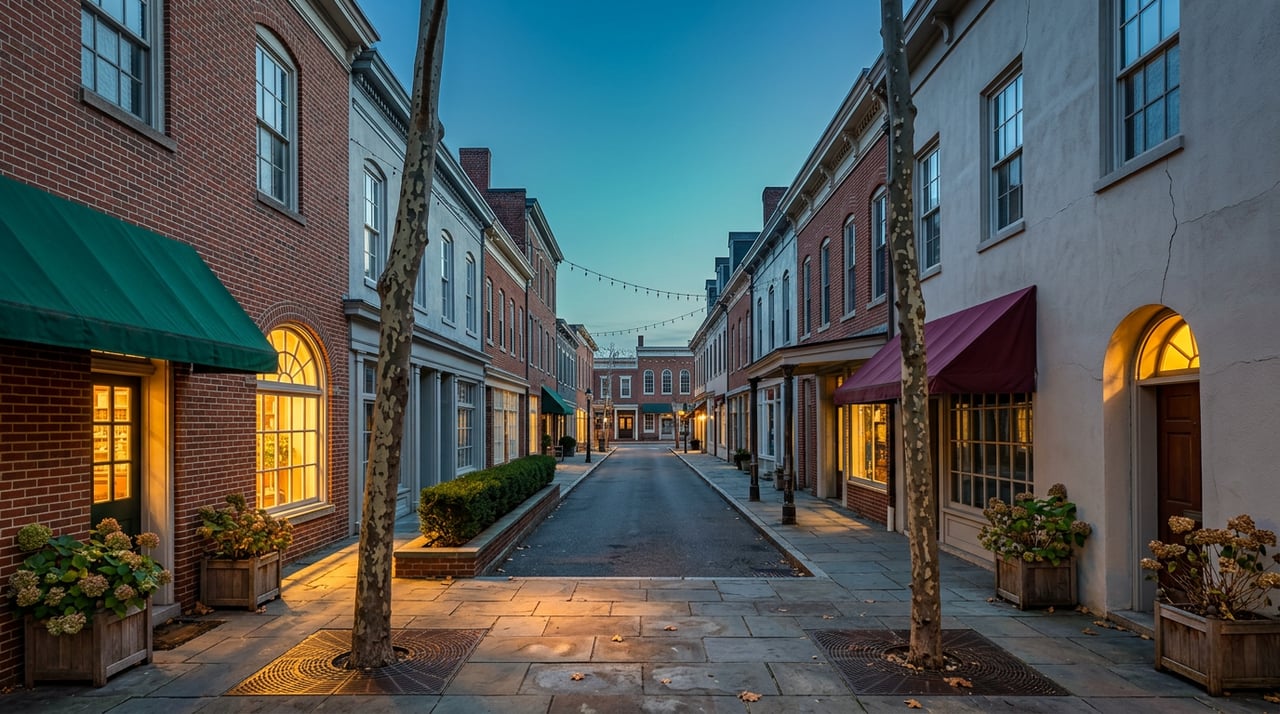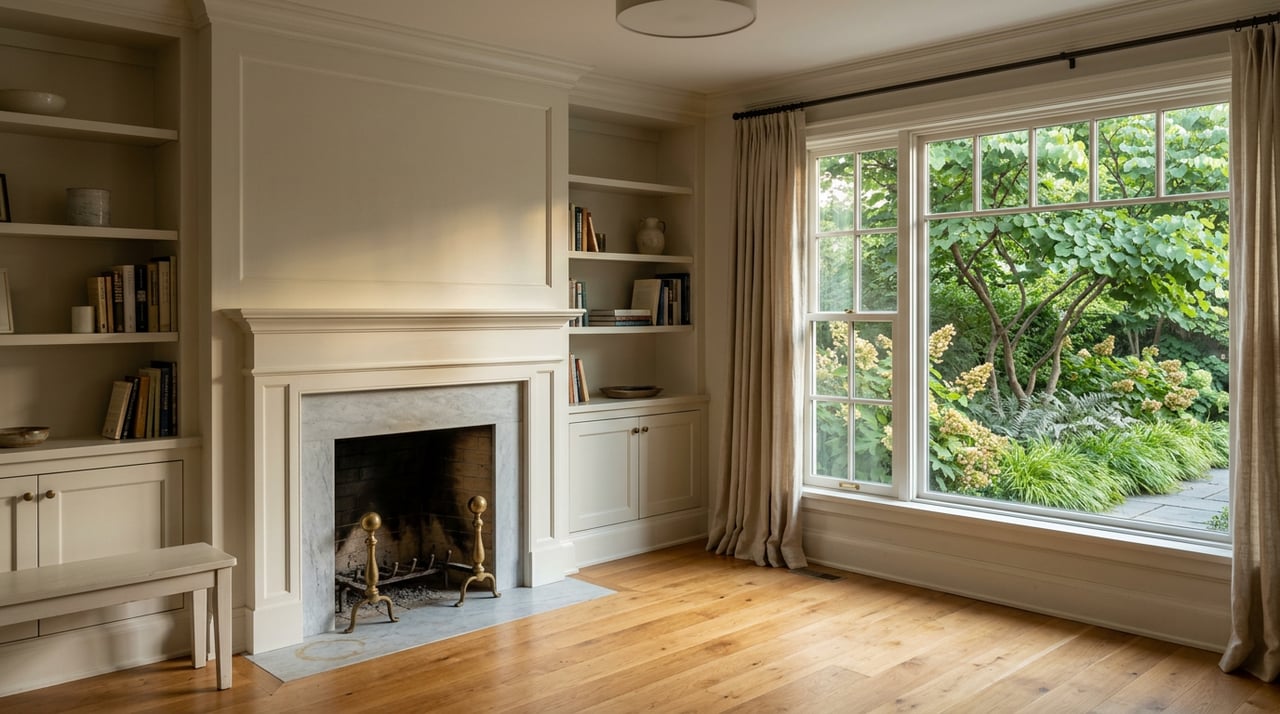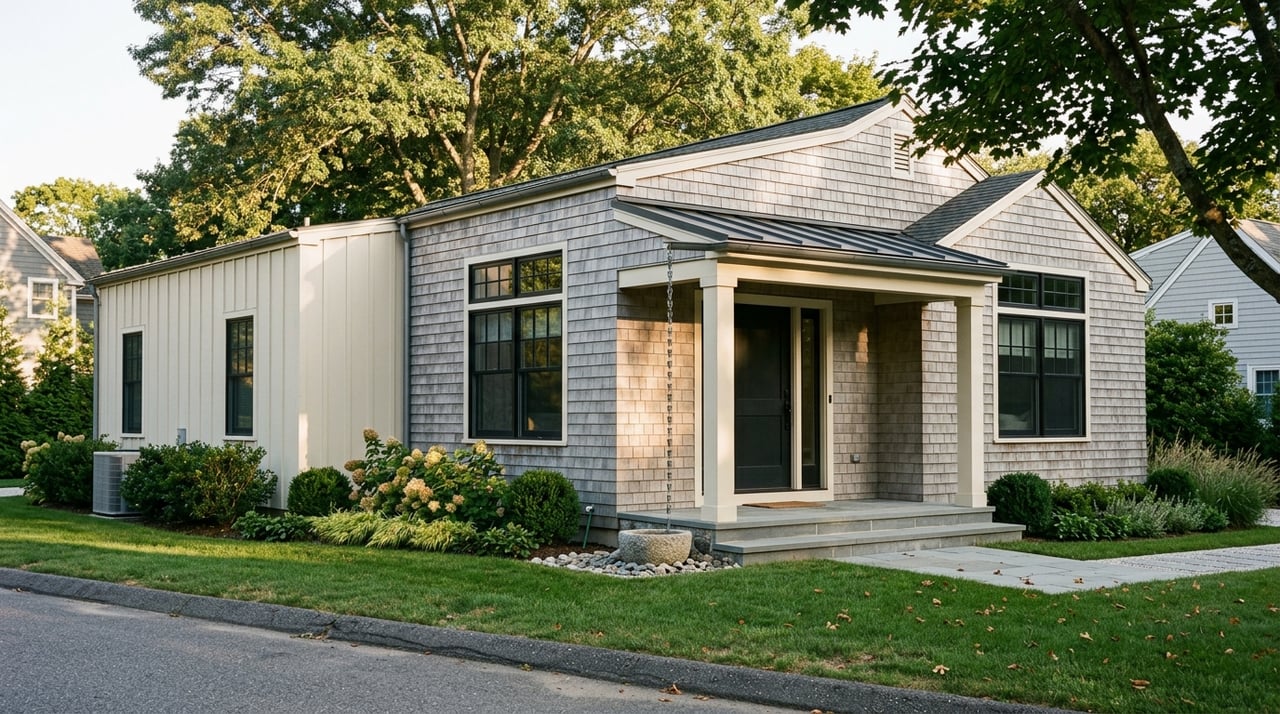
If you own a home in Pelham or hope to buy one here, you have probably noticed a clear pattern: buyers want modern comfort, but they still value the older character that gives the village its identity. In a market where many homes were built decades ago and new construction is limited, the smartest updates are usually the ones that improve how a home lives day to day without losing what makes it feel like Pelham. This guide will walk you through the new construction and renovation trends shaping Pelham, NY, and what they may mean for your next move. Let’s dive in.
Why Pelham Renovation Trends Matter
Pelham is a compact, mostly built-out village, which means change often happens through renovation, additions, and infill development instead of large new subdivisions. According to the Village of Pelham Comprehensive Plan, most residential units are single-family detached homes, and nearly 60% were built before 1939.
That older housing stock is a big part of Pelham’s appeal. The village plan notes that Pelham is predominantly residential, with tree-lined streets and distinctive homes that help define its character. For homeowners and buyers alike, that creates a practical question: how do you add modern function while respecting the scale and style that already exists?
Pelham Homes Blend Old and New
Pelham’s housing mix helps explain why renovations here tend to be thoughtful rather than dramatic. The village includes areas such as Chester Park, Pelville, Pelhamwood, and Pelham Heights, each with its own lot patterns and architectural feel, as described in the comprehensive plan.
Because of that variety, there is no single formula for improvement. In many cases, the most appealing projects update kitchens, baths, and everyday living spaces while keeping exterior details and overall massing in harmony with the surrounding homes. That approach fits both local buyer preferences and Pelham’s planning framework.
New Construction Is Mostly Infill
If you are looking for brand-new homes in Pelham, it helps to understand that new construction is typically limited and site-specific. The village is largely built out, so most new development comes through infill lots, redevelopment, or replacement projects rather than large tracts of new land.
The Village Planning Board lists active and recent proposals such as 48 First Street, 139 Fifth Avenue, 163 Wolfs Lane, 185 Lincoln Avenue, and Hudson Pelham House. One notable example is the 185 Lincoln Avenue proposal, which would replace a former gas station with five single-family homes while preserving much of the site as open space.
For buyers, that means new construction opportunities may be limited but highly intentional. For sellers, it reinforces the value of a well-renovated existing home, especially when it offers the function of newer construction with the established feel of a mature Pelham street.
Design Review Shapes Projects
In Pelham, construction decisions are not just about budget and taste. They also move through a local review process that gives design compatibility an important role.
The Planning Board reviews site plans for new construction projects, and the Architectural Review Board advises on architectural questions and compatibility with neighboring structures. In practical terms, that means homeowners and builders often need to think carefully about scale, placement, and exterior design from the start.
This review process is one reason Pelham does not tend to feel visually disconnected from one block to the next. It also helps explain why the strongest renovation projects often feel balanced: updated enough for today’s buyer, but still aligned with the surrounding streetscape.
Renovation Features Buyers Notice
When you look at current buyer preferences, the message is fairly clear. Pelham buyers appear to respond strongly to homes that combine charm with practical, move-in-ready upgrades.
Redfin’s Pelham home trends for Fall 2025 rank open-concept kitchens, pools, central air conditioning, eat-in areas, laundry areas, decks, foyers, views, and offices among the most valuable features. The same source reports a median list price of $1,452,500.
Recent local listings point in a similar direction. Examples in Pelham have highlighted renovated chef’s kitchens, marble countertops, sunrooms or home offices, finished recreation rooms, first-floor bedrooms, mudrooms, central air, radiant heat, smart thermostats, insulated windows, and EV charging. Taken together, the local market suggests that buyers appreciate homes that feel updated, flexible, and easy to enjoy from day one.
Layouts That Fit Today’s Lifestyle
One of the biggest renovation shifts in Pelham is toward more flexible daily living. Older homes often have formal room divisions, and while those layouts can be appealing, many buyers also want spaces that work for cooking, gathering, remote work, and overnight guests.
That is why you often see demand for features such as open kitchens connected to family living areas, dedicated offices or sunrooms, and first-floor bedrooms that can serve multiple needs. Indoor-outdoor flow matters too, especially when a deck or patio extends usable living space.
National data aligns with what local listings show. In the National Association of Realtors 2024 generational trends report, buyers choosing new homes often cited avoiding plumbing or electrical problems, customization, energy efficiency, and smart-home features, while buyers choosing existing homes more often pointed to value and character.
In Pelham, those preferences often meet in the middle. Buyers seem drawn to homes that preserve character but solve for everyday convenience.
Energy Efficiency Is Rising
Energy upgrades are becoming a more visible part of the conversation in Pelham. They can improve comfort for current owners, and they may also strengthen a home’s appeal when it is time to sell.
The Village’s Energy & Buildings Sub-Committee notes that NYStretch Energy Code 2020 is a model for new construction and major renovations and highlights insulation, window performance, and mechanical ventilation as practical upgrade areas. That matters in a village with a large share of older homes, where draft control and system performance can make a real difference.
The U.S. Department of Energy recommends starting with a home energy audit and focusing on air sealing, insulation, moisture control, and ventilation. The DOE also notes that 25% to 30% of residential heating and cooling energy use is tied to heat loss or gain through windows.
For homeowners considering upgrades, NYSERDA financing programs can support improvements such as heat pumps, solar panels, insulation, and other efficiency work after a no-cost energy assessment. In market terms, these improvements can support both comfort and a stronger move-in-ready story.
What Sellers Should Prioritize
If you are preparing to sell in Pelham, not every project will carry the same weight with buyers. In a market shaped by older housing stock and limited new inventory, the most effective updates are often the ones buyers can immediately feel and use.
Based on local trends, sellers may want to focus on:
- Updated kitchens and bathrooms
- Flexible rooms for office, guest, or hobby use
- Better indoor-outdoor flow with decks or usable exterior access
- Comfort improvements such as central air and efficient windows
- Exterior updates that feel consistent with the home’s style and street
Pelham’s value picture gives these decisions added importance. Zillow’s Pelham home value index was $1,331,466 as of February 28, 2026, up 12.7% year over year, with 18 homes for sale at month-end.
In a market like this, presentation and positioning matter. A home that feels thoughtfully improved can stand out more quickly than one that leaves buyers estimating future work.
What Buyers Should Watch For
If you are house hunting in Pelham, you may need to balance character and convenience. Some homes will offer original architectural detail and established settings, while others may deliver more recent renovations, updated systems, or new-construction finishes.
A helpful way to evaluate options is to separate cosmetic updates from foundational improvements. A beautiful kitchen matters, but so do windows, insulation, cooling, ventilation, and layout changes that improve how the home actually functions.
It is also worth paying attention to permit requirements. The Village of Pelham states that many common projects require approval, including kitchen and bath alterations, moving walls, central air, decks, fences, replacement windows, additions, and new structures. If you are buying a renovated home, understanding the scope of prior work can be important.
The Big Takeaway for Pelham
The biggest trend in Pelham is not flashy development. It is smart adaptation. In a village known for prewar homes, mature streetscapes, and a built-out footprint, the most successful projects tend to improve livability while staying in step with the surrounding context.
That is good news whether you are buying or selling. Buyers can find homes that offer both charm and modern comfort, and sellers can make strategic improvements that align with what today’s market appears to reward.
If you are weighing a renovation before listing, comparing move-in-ready homes to value-add opportunities, or trying to understand how Pelham’s housing stock affects pricing and demand, working with a local advisor can help you make more confident decisions. To talk through your goals and next steps, connect with Martha Rubio.
FAQs
What renovation features are popular with buyers in Pelham, NY?
- Buyers in Pelham appear to respond well to open-concept kitchens, central air, offices, decks, laundry areas, eat-in spaces, and updated flexible living areas, based on local market trend data.
What kinds of new construction are happening in Pelham, NY?
- Most new construction in Pelham is infill or redevelopment rather than large-scale subdivision building, because the village is already largely built out.
Do renovation projects in Pelham, NY require permits?
- Yes. The Village of Pelham requires permits for many common projects, including kitchen and bath work, moving walls, additions, decks, fences, replacement windows, central air, and new structures.
How old is the housing stock in Pelham, NY?
- According to the Village of Pelham Comprehensive Plan, nearly 60% of Pelham’s residential units were built before 1939.
Are energy-efficient upgrades important in the Pelham, NY market?
- Energy-related improvements such as insulation, better windows, ventilation, heat pumps, and smart-home features are becoming more relevant for comfort, efficiency, and move-in-ready appeal.
What should sellers update before listing a home in Pelham, NY?
- Sellers often get the most traction by focusing on kitchens, bathrooms, flexible-use rooms, indoor-outdoor flow, cooling and window upgrades, and exterior work that fits the home’s existing style.